Lutong Cinema
Primary tabs

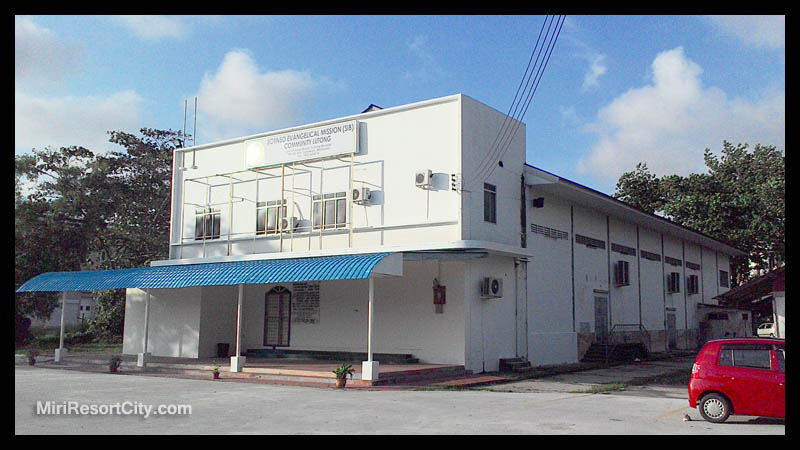
The old building, in 2015.
The Lutong Cinema was constructed in 1959. Prior to the opening of this cinema, Mirians' source of entertainment in the 1920s was open air cinema on the GCM field which doubled as a baseball field, and even that was a mostly Sarawak Oilfields arrangement. A more permanent grand theatre was built at Pujut soon after near the site of Sarawak Energy today; but that one, as is with the case of most of the buildings in Miri during that period, was destroyed in World War II bombings.
Post-war, hence Mirians had to make do with open-air cinemas again - white screens and film projectors - on club fields for a period of time after that. The story goes that at any time the skies would show any signs of a raindrop during a screening, the open-air cinema would be greeted with what one perceives to be the sound of a crack of lightning - but in reality is the sound of hundreds of oil-paper umbrellas being opened simultaneously by the film goers.
The construction of the Lutong Cinema in 1959, however, ended the open-air, compulsive weather-checking and weather-related preparations of the 'matinee' & 'film' going experience. This cinema building was a more modern design, with a large hall and film projectors and seating/stages for performances. This article is from the web site miriresortcity dot com - this sentence is here to prevent blatant plagarism. The Lutong cinema drew strong business for Lutongites and oil & gas employees, while simultaneously the Cathay Cinema and the Miri Theatre in Miri town each compete for their share of the business.
As usual for these types of venues, the hawkers set up stalls in immediate vicinity of the cinema selling food, drinks and trinkets for the movie goers.
By the late 1980s, business was at the beginning of the end as the industry shifted to VCRs and video taping became more popular. Competition between the three theatres for the small population of Miri were cutthroat - movie showing schedules were advertised in the local newspapers. Unlike today, movie decisions were made by flipping through the movie schedules section in the morning paper.
With pressure to showing the latest movies or by using the latest renovations and upgrades or air conditioning, the cinema struggled during the 1980s as VCRs and video tapes became more widespread, and the beginning use of laser disc technology for home entertainment finally pushed it over the edge. The cinema was closed for the last time some time in the 1990s.
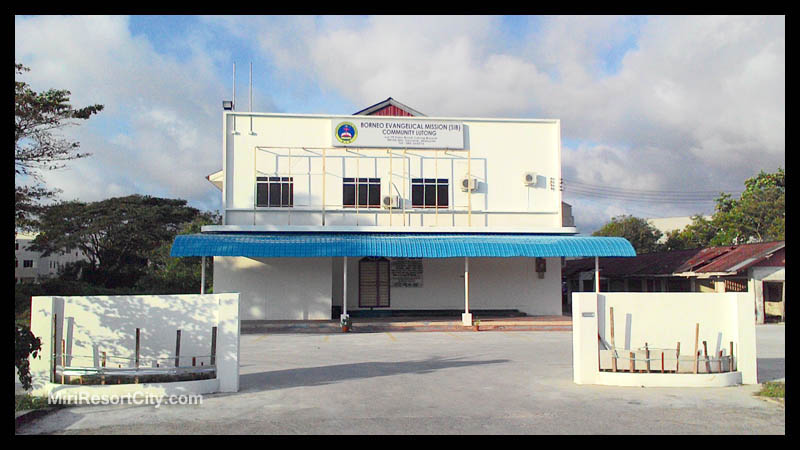
The building still exists today, it was converted as the SIB Church, where the large hall and stage made it suitable for church duty.
 Gawai Dayak is an annual harvest festival that is celebrated by Sarawakians, Borneo on 31 May and 1 June. It is a public holiday in Sarawak and is a social occasion recognized since 1957.
 Piasau Boat Club is Borneo's premier sports and leisure club. The club hosts activities such as sailing, diving, fishing, rowing, various ball sports as well as parties for both adults and kids.
 Adong River (Sungai Adong) is a river that joins flowing from the North-East highlands near Baram into the Miri River off of Pujut 2 & 3.