Twin Pioneer Wreck, Bario
Primary tabs

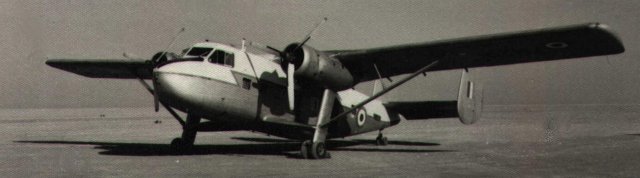
The Scottish Aviation Twin Pioneer was a capable airplane for short field take off & landings. The aircraft saw active duty in Borneo in the 1960s.
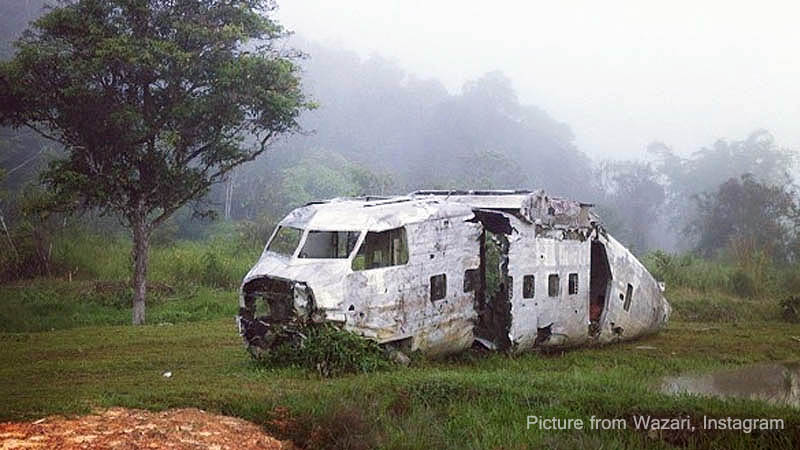
On the Friday of 11th September 1964, a Scottish Aviation Twin Pioneer CC.1 operated by the Royal Air Force - RAF bearing the registration of XP294 landing at Bario on a wet runway, when it was swinging around it got too close to a ditch, causing the edge of the ditch to give way and the port undercarriage to become stuck. The aircraft was salvageable in this state, but was inevitably damaged beyond repair when the army attempted to drag it using ropes away from the runway. There were no fatalities in this event. Special thanks to David Somerville for providing more information on this event.
The usable parts of the aircraft was salvaged but the fuselage remained near the site next to a field to this day, having sat around for more than 50 years since its last ever landing.
Picture courtesy of wazari, from Instagram.
To explore this wreck, travel plans needed to include a flight to Bario.
 On August 1st, 1960, the Miri General Hospital, which had for long been operated by the oil company with financial assistance from the government, was handed over to the government; with it went the Miri Ferry that connects between the peninsular and town - and the hospital -, all the concession land on the Miri Peninsula south of the Miri Golf Course, and all the houses, roads and utility services within that area.
 A look at the flags used in Sarawak since 1841.
 Miri Hotel is located in the heart of the old town area. With eatery stalls around it and most of the old town highly accessible just by walking.
 Hamidah Orphanage Complex (Kompleks Kebajikan Hamidah) is an orphanage center primarily for Muslim children located at Taman Desa Indah 3, Permyjaya, Miri, Sarawak. As 2009, there are 92 children in the orphanage with the 16 staff providing assistance and guidance.