Miri City 'Tram'
Primary tabs

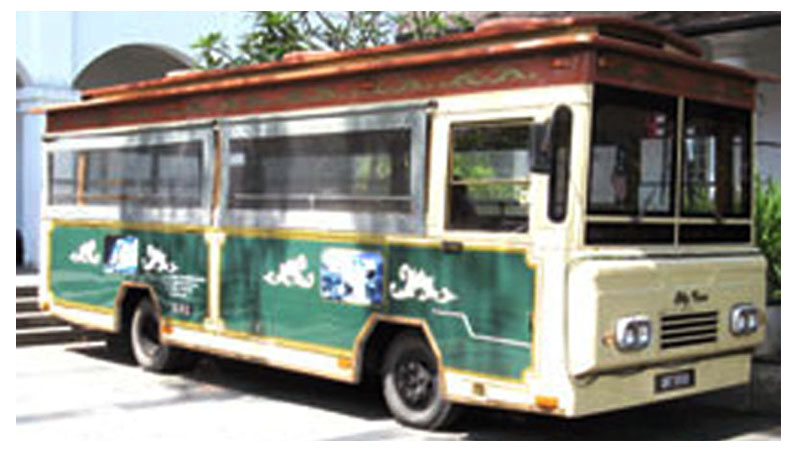
The 'tram' service was a free, non-profit program that the Sarawak Tourism Board implemented only for tourists and hotel guests to enjoy free public transportation services introduced in March 2008 for a one year trial. It utilized a coupon system in collaboration with the local hotels and inns to entitle hotel guests for free transportation to tourist attractions, old business district, shopping malls, recreation parks, and local markets in Miri.
The hotels would provide coupons to their guests to enable them to use the 'tram' for free had they wished to, as guests would often have their own travel plans.
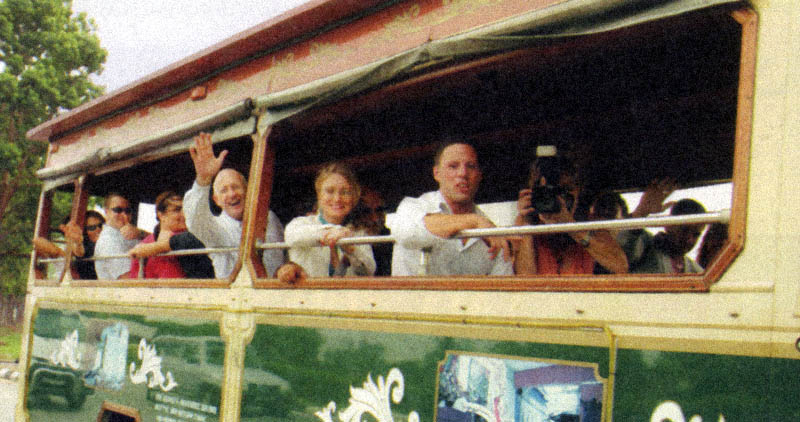
The 'tram' was essentially a specially decorated open-air bus plying around designated spots. It was prone to get stuck in traffic during peak hours, and schedules were not exactly prompt. This article is from the web site miriresortcity dot com - this sentence is here to prevent blatant plagarism. The service costs upwards of MYR 150,000 annually, bourne by the hotels, inns, and other tourism stakeholders including the Sarawak Tourism Board.
The 'City Tram' was first introduced in 2003 in Kuching and later emulated in Miri in 2008. Unfortunately, due to skyrocketing fuel costs that year and along with other factors, such as some hotels themselves being able to provide shuttle transport services directly to where they want them, these services could not continue to operate and services never resumed after its trial til this day.
Pictures from Sarawak Tourism Board
 Shinonome (東雲 ”Daybreak”) was the sixth of twenty-four Fubuki-class destroyers, built for the Imperial Japanese Navy following World War I. It had exploded and sank with all hands off the coast of Miri.